

.jpg)
Choosing a European city to move to isn't just about salary and rent. It's about whether you'll have people to call on a Tuesday night six months in, whether the city gives you real opportunities for recurring contact with the same people, whether your social circle can actually grow there, and what infrastructure exists to keep loneliness from creeping in.
InterNations' Expat Insider 2025 survey (12,543 expats across 175 nationalities) found that Spanish cities Valencia, Málaga, and Alicante swept the top three spots worldwide, largely on the strength of how fast newcomers make friends there. Meanwhile, a separate 2026 report from William Russell crowned Zurich the world's most "welcoming" city on safety and low social friction, and then noted that Zurich ranks last for making local friends, with 65% of expats there saying their friends are mostly other expats, against a 37% global average.
This gap between a city that feels safe and pleasant and a city that actually produces friendships is the thing worth understanding before you pick where to build your life. We ranked nine European cities using the most recent survey data, weighted specifically for how fast a newcomer (particularly a woman relocating solo) can expect to build a real social circle.
Two different kinds of data feed into "best city for a social life", and they don't always agree. We weighted:
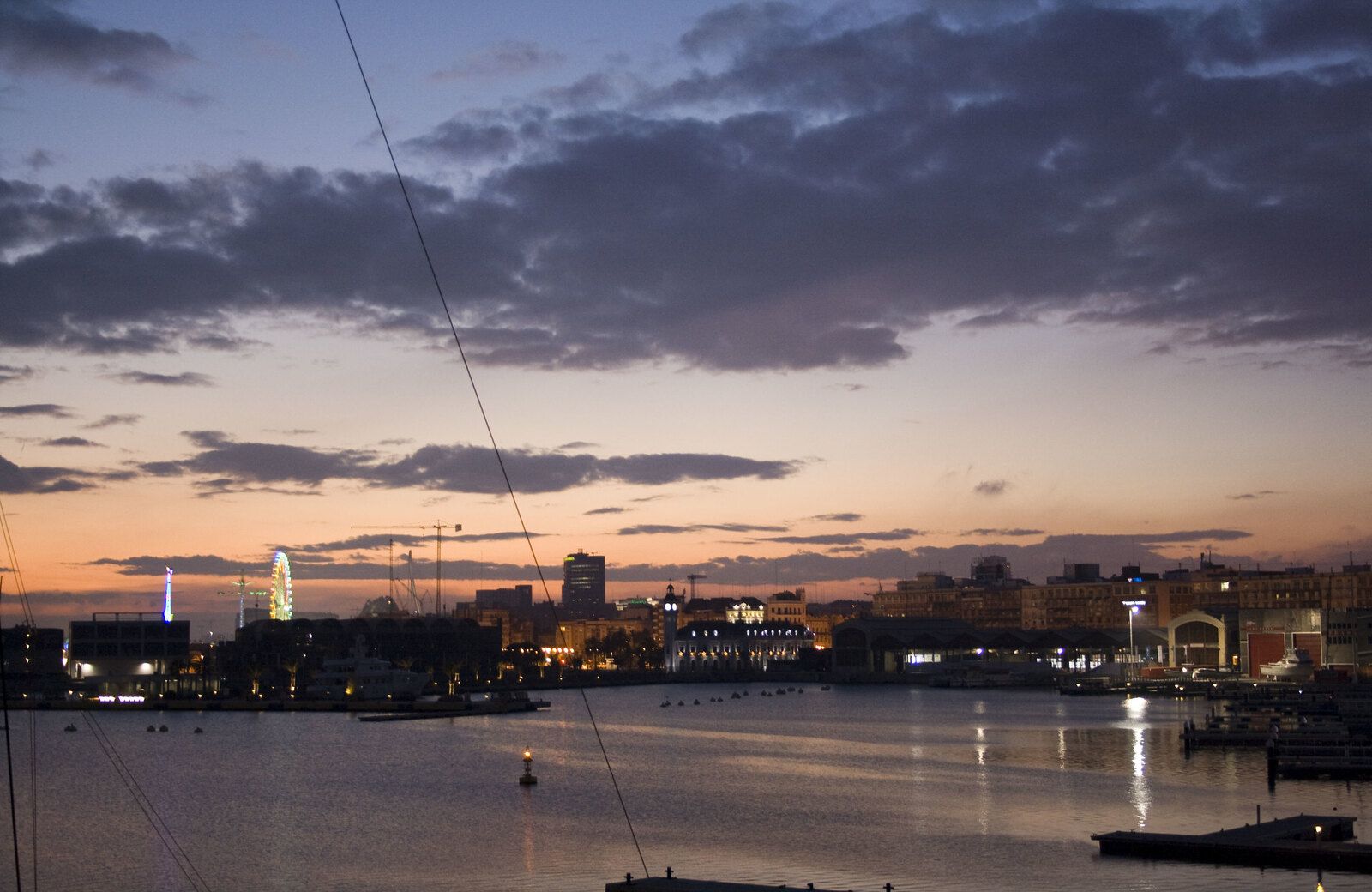
Valencia topped InterNations' Expat Insider 2025 survey worldwide, with expats praising both the ease of settling in and the speed at which casual encounters turn into real friendships.
Valencia's advantage is balance: it has the beach-city social energy of Spain's southern coast, the infrastructure of a real city (public transport rated positively by 96% of surveyed expats), and enough scale that there's always something to plug into.
Good for: Women in their late 20s to 40s who want Southern European warmth without moving somewhere too small to build a broad circle.
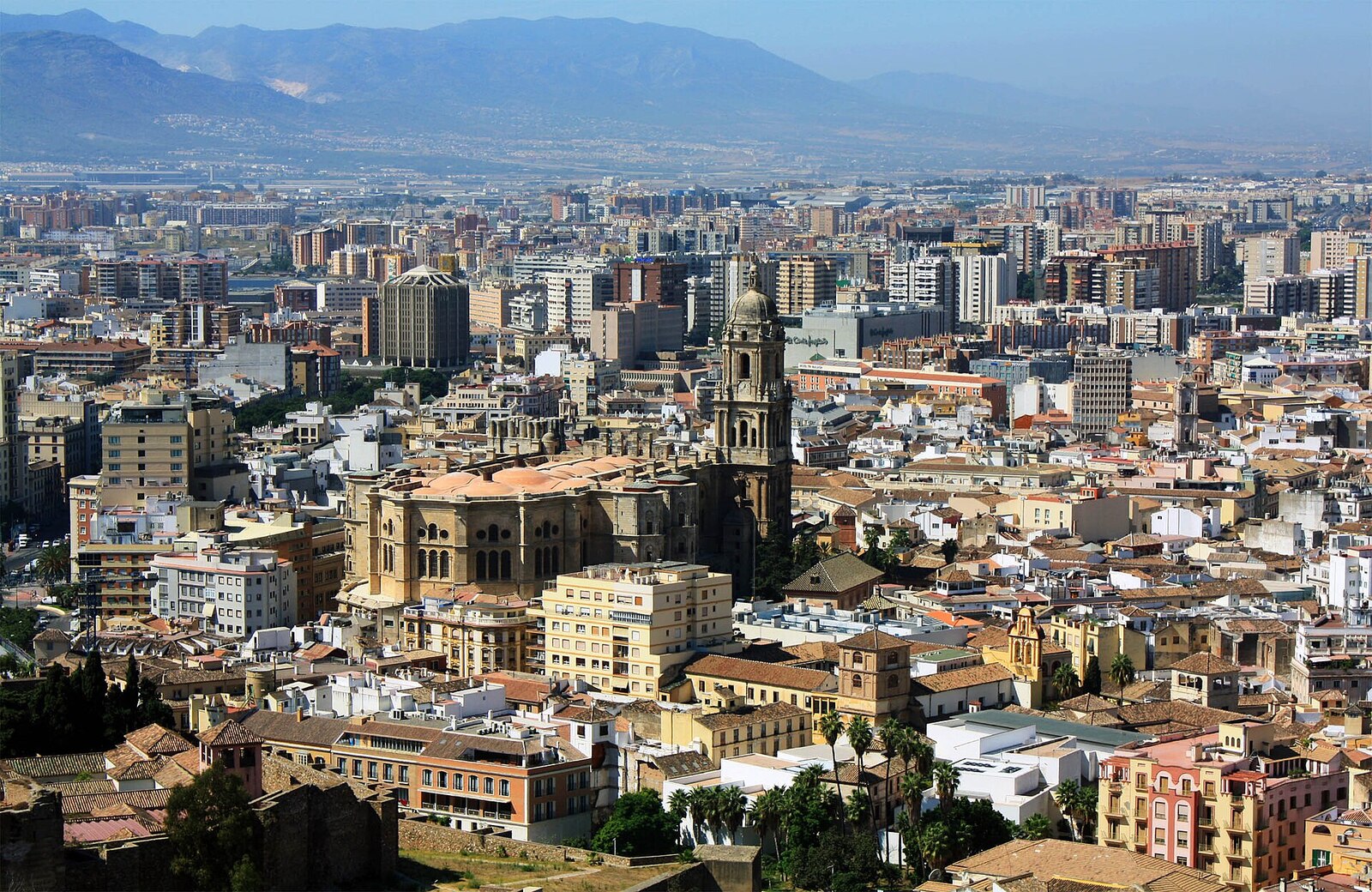
Málaga was named the world's friendliest city in InterNations' 2025 ranking, ranking first specifically for ease of integration and how quickly locals turn into friends.
Beyond the friendliness score, Málaga is in the middle of a cultural renaissance: new galleries alongside the Picasso Museum, a growing food scene, and a strong sense of neighbourhood community that expats consistently cite as the reason friendships form faster there than almost anywhere else surveyed.
Good for: Women who want the fastest possible path from "just arrived" to "have a real circle" - Málaga's data is the strongest of any city on this list for that specific outcome.
.jpeg)
Lisbon has one of Europe's largest English-speaking expat populations with English proficiency above 90% in central neighbourhoods, removing the single biggest early barrier to building a social life.
Lisbon's social infrastructure for newcomers is unusually dense: Girl Gone International's Lisbon chapter is one of the largest in Europe, the city's mild climate keeps people outdoors and socialising year-round, and the sheer size of the international community means you're rarely more than one event away from meeting someone in the same position as you.
Good for: Women who want the path of least resistance - minimal language barrier, maximum existing community infrastructure.
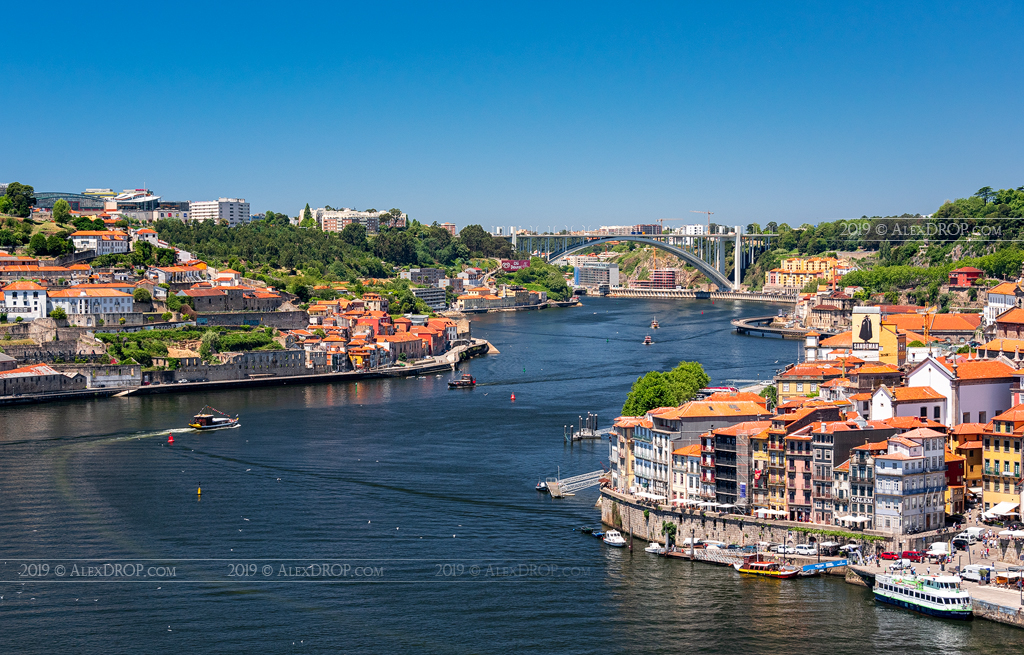
Porto was crowned the friendliest city in the world in Time Out's October 2025 survey of locals - a data point distinct from expat-specific surveys, measuring genuine local warmth.
Porto is smaller and less internationally saturated than Lisbon, which cuts both ways: less ready-made expat infrastructure, but a stronger shot at building relationships with locals specifically, not just fellow newcomers. If your goal includes integrating into Portuguese life rather than an international bubble, the data suggests Porto delivers.
Good for: Women prioritising depth of local integration over the size and speed of an expat network.
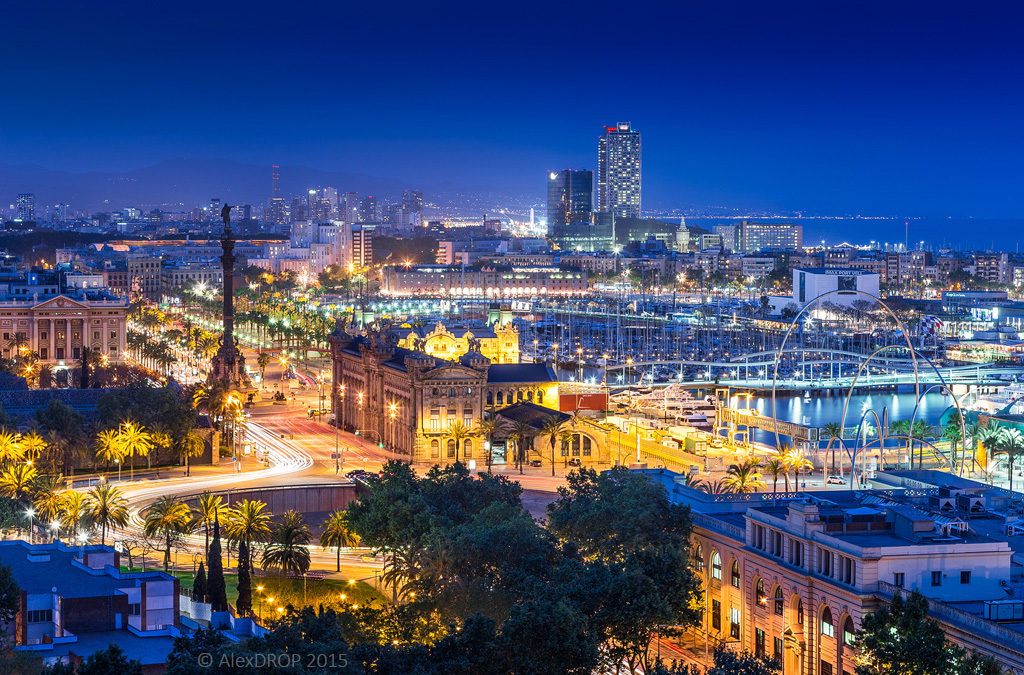
Barcelona combines one of Europe's largest multicultural expat populations with a packed year-round calendar of festivals, outdoor dining, and public events that make casual socialising unusually easy.
Barcelona's efficient public transport and beach-city lifestyle create constant low-stakes opportunities to meet people - something that matters more for friendship formation than most people expect. The trade-off is scale: Barcelona's expat-city ranking has slipped in recent surveys (down to 21st in the 2024 Expat City Ranking), reflecting rising costs and a housing market that's made settling in logistically harder even as the social scene remains strong.
Good for: Women who want the largest possible pool of other international women to meet, and don't mind a bigger, less curated scene. If you want that scale without losing curation entirely, Les Amis runs in Barcelona too - a smaller, vetted circle inside the bigger scene.
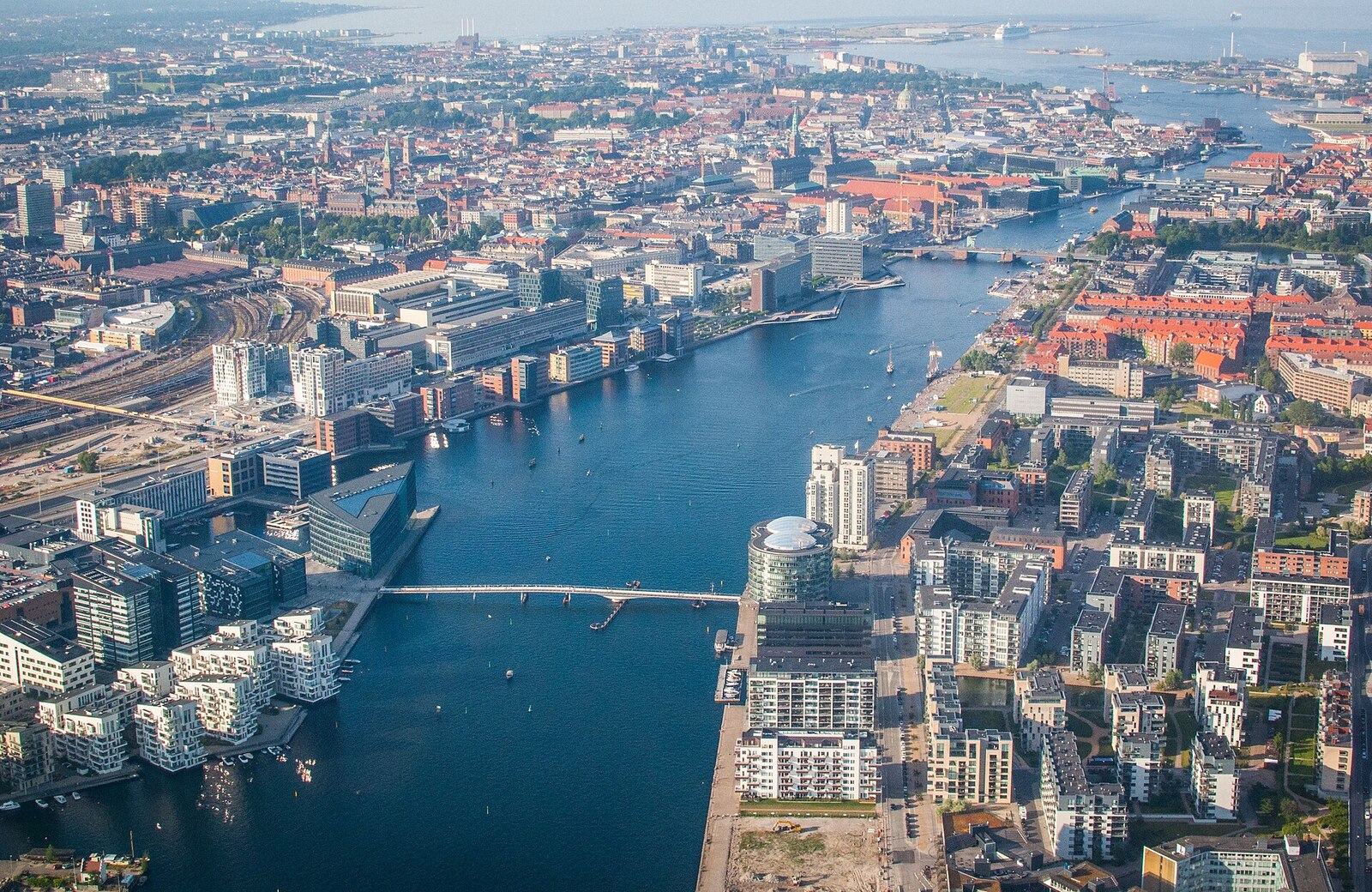
Copenhagen placed fourth in William Russell's 2026 welcoming-cities index, combining a safety score above 70 with comparatively low social friction - a rarer combination than it sounds.
Where Zurich (see below) scores well on safety but poorly on actual local friendship-building, Copenhagen manages both. Danish social codes take longer to crack than Southern European ones (the initial phase can feel slower) but the payoff, per the data, is more durable: expats in Copenhagen report a better balance between safety, integration, and social life than in most Northern European capitals. For the slow initial phase specifically, a structured entry point like Les Amis - which also runs in Copenhagen - can shortcut some of that early friction.
Good for: Women who want Northern European stability and safety without Zurich's expat-bubble problem.
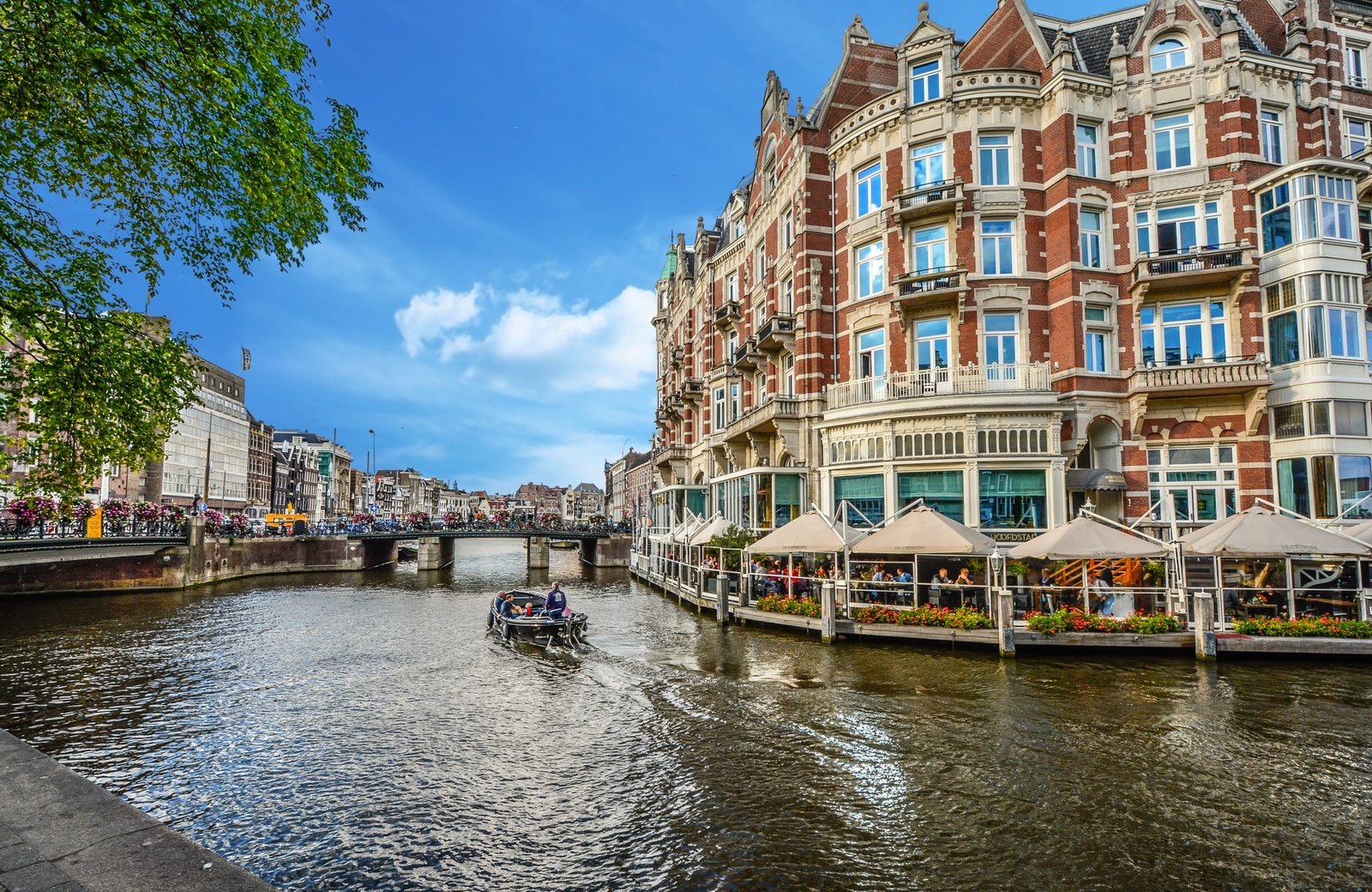
Amsterdam was named the easiest European city for British nationals to relocate to in 2025, driven by near-universal English fluency and a dense network of established international women's communities.
Amsterdam's social infrastructure for women specifically is some of the strongest in Europe - Amsterdam International Women has 6,000+ members, IWC Amsterdam has operated since long before the current wave of remote-work relocations, and the city's compact, bike-friendly geography makes casual repeat encounters (the actual mechanism behind friendship formation) unusually easy to engineer.
Networks of that size are strong on breadth; what they rarely offer is a small room. Les Amis in Amsterdam is application-based and built around groups of 8-12 women, which makes it a natural second layer next to an open network like Amsterdam International Women or an established club like IWC Amsterdam: the wide net for meeting people, the curated circle for actually getting to know them.
Good for: Women who want maximum logistical ease and an already-dense women's community infrastructure to plug into immediately.
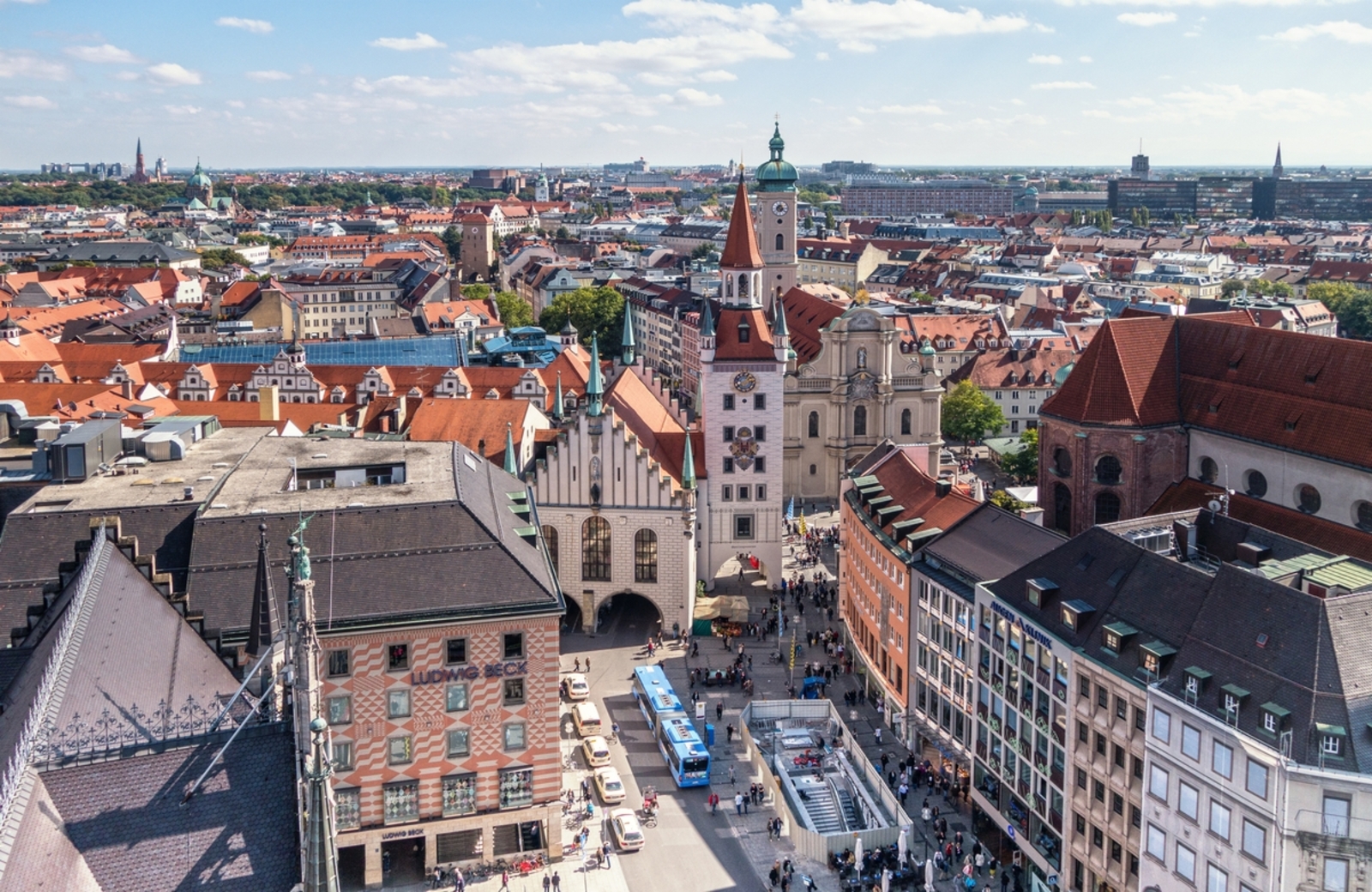
Munich placed fifth in William Russell's 2026 index, reflecting Germany's strong tradition of structured, club-based (they are called Vereine) social life that gives newcomers a clear on-ramp. These aren't nightlife venues, of course - they're interest-based clubs: a choir, a hiking group, a chess club, a rowing team, organised around a shared activity.
That's why Munich's social culture runs on structure more than spontaneity: clubs, leagues, and regularly scheduled groups rather than casual drop-in socialising. For someone willing to commit to a recurring activity, that structure is an advantage: it manufactures the repeated contact that friendship actually requires, rather than leaving it to chance.
A Verein asks you to commit to one activity. Les Amis brings the same recurring, membership-based logic to Munich without tying it to a single hobby: it's a members-only club for women with a varied calendar of small-group experiences, so the membership itself is the standing structure.
Good for: Women who build friendships better through consistent shared activity than through open-ended mingling.
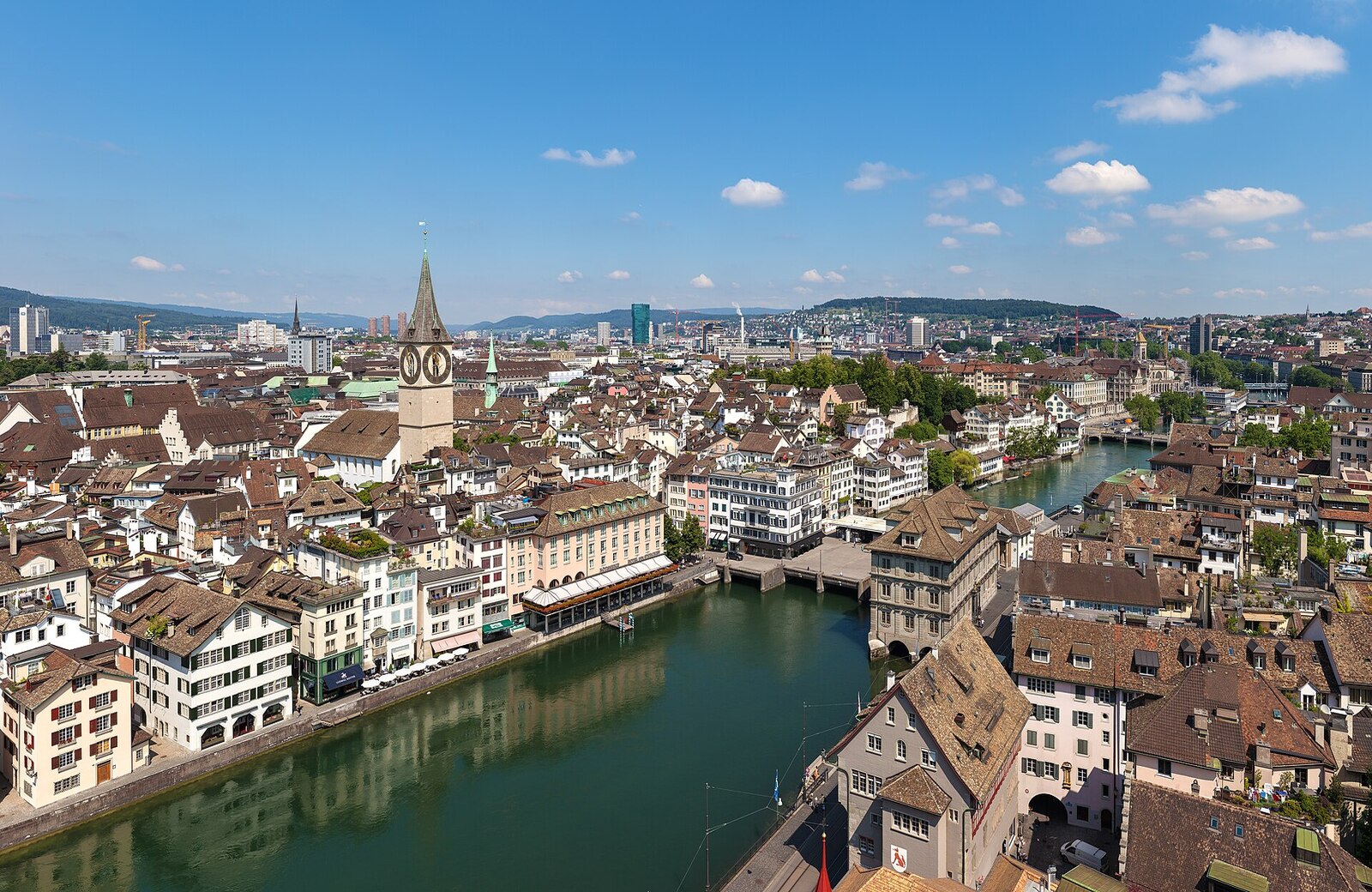
Zurich topped William Russell's 2026 "most welcoming city" index on safety and low social friction - and, in the same report, ranked last among surveyed cities for making local friends, with 65% of expats saying their friends are mostly other expats, versus a 37% global average.
This is the clearest example of why "welcoming" and "socially easy" aren't the same thing. Zurich is extremely safe, extremely well-run, and difficult to build friendships with Swiss locals in, partly because privacy norms and efficiency can read as coldness to newcomers. The upside for our specific audience: Zurich's large, well-organised international community means expat-to-expat friendships form readily even where local ones don't. If your social life will be primarily built with other international women rather than with locals, Zurich's downside matters much less.
Good for: Women who want Swiss quality of life and are building their circle primarily among other expats and internationals rather than locals.
That's the model Les Amis was built around, and it suits a city where privacy norms can make cold approaches awkward: entry is by application, so everyone in the room has chosen to be there, and the experiences are planned for you, so nobody has to make the first move. Zurich is also often one stop among several, and a single membership works across all 12 Les Amis cities.
A few things become clear once you look at Valencia, Málaga, Zurich, and Copenhagen side by side.
First, "welcoming" and "friend-making" are measuring different things. Safety and low social friction (what William Russell measures) predict whether a city feels comfortable. Ease of settling in (what InterNations measures) predicts whether you'll actually have friends within a year. Zurich scores brilliantly on the first and poorly on the second. Valencia and Málaga score well on both.
Second, English-friendliness compounds everything else. Lisbon and Amsterdam's strength isn't warmth exactly - it's that the language barrier, which slows down every other factor, is nearly eliminated.
Third, and most relevant if you're building a female circle specifically: the size and organisation of a city's international women's community can outweigh the city's general "friendliness" score. Amsterdam and Zurich both illustrate this: neither tops the friendliness rankings, but both have dense, well-organised women's networks that make the actual mechanics of meeting people far easier than the headline data suggests.
Choosing the right city solves maybe a third of the problem. The rest is what you do once you land. A few things the research is consistent on:
Les Amis operates in ten European cities - Amsterdam, Barcelona, Berlin, Copenhagen, Madrid, Milan, Munich, Paris, Stockholm, and Zurich - specifically because relocating women needed one membership that follows them across borders, with curated small-group events (8-12 women) rather than a chat-first app. If you're choosing where to build your next chapter, see if Les Amis is in your next city.
A: Based on the most recent survey data, Valencia and Málaga rank highest overall for expats making friends quickly, according to InterNations' Expat Insider 2025 survey of over 12,500 expats. Lisbon and Amsterdam are the strongest options specifically for English-speakers who want to minimise the language barrier while building a social life.
A: According to InterNations' 2025 ranking, Málaga is the friendliest city in the world for expats specifically. According to a separate Time Out survey of locals, Porto was named the friendliest city in the world in 2025 - the two rankings measure slightly different things (expat integration vs. local warmth) and both point to Iberia.
A: The data suggests mid-sized cities perform best. Valencia, Málaga, and Copenhagen - none of them Europe's largest cities - outperform larger capitals like Paris and London on friendliness and ease of settling in. Very large cities offer more people to meet but more anonymity; very small cities offer intimacy but fewer newcomers to meet in the first place.
A: Amsterdam and Lisbon have the densest, most established women-specific community infrastructure, which matters more for a woman relocating solo than general friendliness scores.
A: Research from Jeffrey Hall suggests roughly 200 hours of shared time for a close friendship to form - typically 6-12 months of consistent, repeated contact through the same group of people, rather than one-off events. Cities with strong existing social infrastructure tend to compress this timeline; cities with high "social friction" tend to extend it.
The best city for your social life isn't necessarily the one that tops the "most livable" lists, because those measure safety, cost, and infrastructure, not whether you'll actually build a circle there. The friendliest cities in Europe right now, by the actual data, are mid-sized, warm, and slightly under the radar: Valencia, Málaga, Lisbon, Porto. But every city on this list can work with the right structure and the right community from day one - and in Berlin, Munich, Barcelona, Amsterdam, Madrid, Milan, Paris, Copenhagen, Stockholm, and Zurich, that structure already exists: Les Amis runs in all ten, and your membership follows you if you move again.
Join nowWe believe that a strong female circle is one of the key components of a successful and fulfilled life for every woman
Your family of girlfriends





.jpg)